What Is Your Hidden Zodiac Trait?
The part of your nature that only shows up under pressure.
More Quizzes
The Idea Behind This One
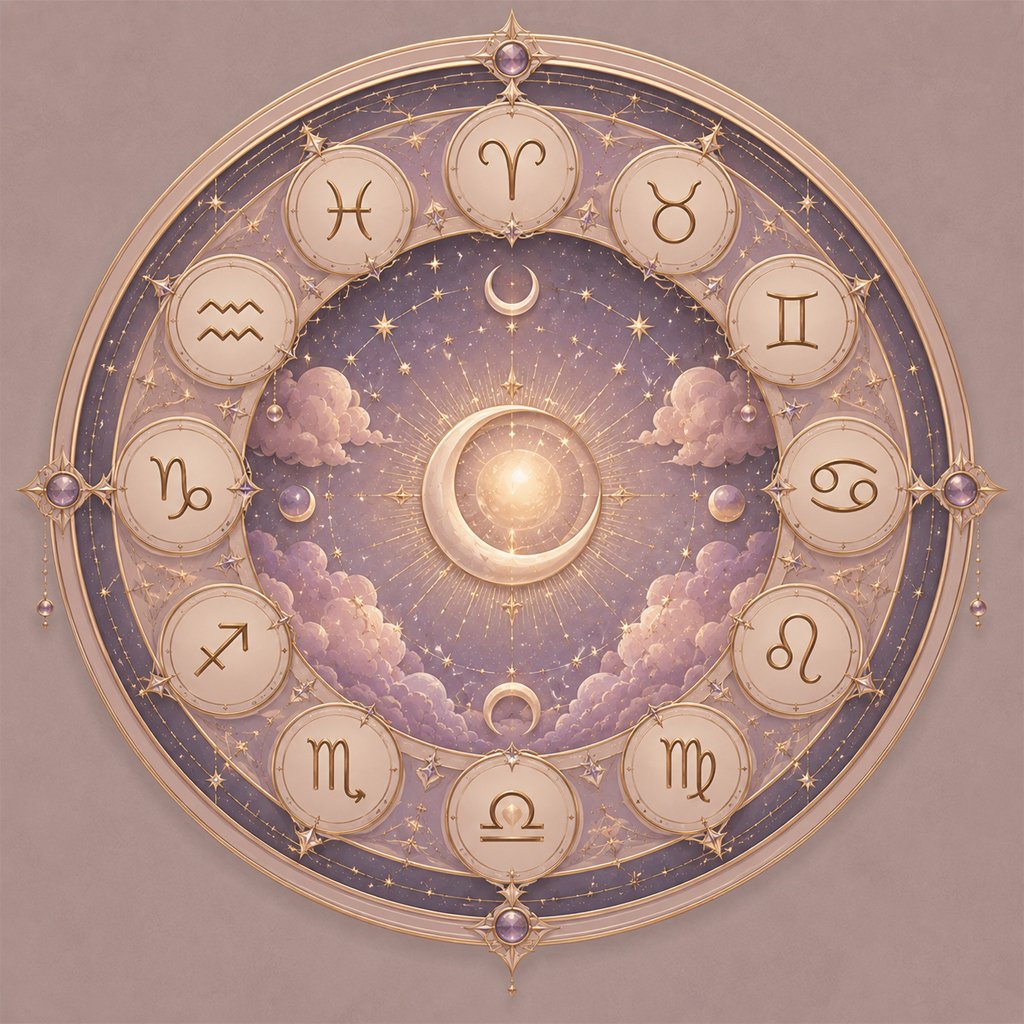
Every sign in the tradition carries characteristics that are less discussed than its headline traits. Scorpio is described as intense long before it is described as loyal; Gemini is called changeable more often than it is called adaptable; Capricorn gets ambition and rarely gets dry humor. This quiz reports whichever of those secondary qualities your answers lean toward.
The framing is deliberately light. Nothing here is hidden in any meaningful sense — these are documented parts of the traditional descriptions that simply get less attention than the obvious ones, usually because they are harder to summarize in a sentence.
Why Signs Have Neglected Traits
Popular astrology compresses each sign into two or three adjectives, and compression is lossy. The traits that survive are the ones that are easy to state and entertaining to read, which systematically favors the dramatic characteristics over the quiet ones.
That produces a recognizable distortion. Fire signs are reduced to confidence, water signs to sensitivity, earth signs to reliability, air signs to talk — and the more interesting parts of each description, which usually concern how the sign behaves when things go wrong, get dropped entirely.
The fuller descriptions in the sign guides on this site cover both. The part most people find useful is not the list of strengths but the account of what a sign does under pressure, which is where the traditional descriptions are at their most specific.
How The Result Is Reached
The quiz weights each answer toward one or more traits and reports the highest tally. There is nothing more sophisticated behind it, and no attempt is made to model anything — the same answers always produce the same result, and changing one answer changes the outcome predictably.
Everything runs in the browser. Nothing is submitted or stored, no result is retained after you leave, and there is no account involved. If you want to keep a result, write it down.
Reading It Sensibly
This is entertainment and measures nothing. It cannot reveal anything about you that you did not put into it, since the result is assembled entirely from your own answers, and the sense of recognition it produces is the ordinary effect of any broadly worded description.
That effect is worth knowing about. People agree with general personality statements at high rates regardless of whether those statements were generated for them, which is why a result feeling accurate is not evidence that it is. The same caution applies to every quiz of this kind.
None of it is a personality assessment or a basis for a decision. Read it as a prompt, follow it into the guides if it interests you, and treat disagreement as informative rather than as an error.
Where To Take It Next
A trait that resonates is usually worth reading about properly. The sign guides cover the full traditional description of each of the twelve, including the parts that get left out of short summaries, and the elements and modalities guides explain where those characteristics come from structurally.
For anything with actual precision behind it, the natal chart calculator is the alternative. A chart is calculated rather than tallied, and it reports ten placements instead of one — which is a different kind of exercise from a quiz, and a more informative one.
Examples Of Neglected Traits
A few illustrations make the premise clearer. Aries is described as impatient constantly and as unusually quick to forgive almost never, though both appear in the traditional accounts — the sign that flares up is also the one least likely to be nursing it a week later.
Virgo gets criticism and rarely gets the reason for it, which in the tradition is a genuine desire for things to work properly rather than a taste for finding fault. Pisces gets sensitivity and rarely gets the toughness that tends to accompany it in people who feel everything and keep functioning anyway.
Aquarius is described as detached, which the fuller accounts qualify considerably: the tradition has it as principled rather than cold, and stubbornly loyal to positions in a way that reads as warmth from the inside and distance from the outside.
Common Questions
Is the trait actually hidden? No, and the name is playful rather than literal. Everything this quiz reports appears in the standard traditional descriptions; it is simply the part that gets dropped when a sign is compressed into two adjectives.
Why did I get a trait associated with a different sign? Because the quiz weights answers toward traits rather than toward signs. Any given quality appears in several sign descriptions, so a result can easily land on something the tradition also attributes to a sign that is not yours.
Can I retake it? Yes, as often as you like, though answering instinctively the first time generally produces a more interesting result than working toward a preferred outcome.
Are my answers saved? No. Everything runs in your browser, nothing is transmitted or stored, and the result disappears as soon as you close the page.
A Note On Sign Stereotypes
The compressed descriptions this quiz works against are worth treating with some suspicion generally. They are the version of astrology most people encounter, they are the least interesting version available, and they are responsible for most of the reasonable objections to the subject.
A tradition that has been developed over two thousand years contains considerably more nuance than a list of adjectives suggests, and the guides on this site try to reflect that. Where a description here seems to contradict something you have read elsewhere, the fuller account is usually the older one.